

CURRENT RF
Recover switching energy. Put it back to work.
Recover a portion of the energy associated with electrical switching noise. Explore USB devices for existing equipment, CC-100 chips for board integration, and circuit IP for your next design.

Start with a USB connection.
PowerStic hardware shown. PowerStic-AI uses CC-100 technology for server applications. It connects to USB power and ground, with no connection to the USB data lines.
Lower active-server power starts with a measured trial.
Switching circuits create high-frequency noise on power and ground. PowerStic-AI is designed to recover a portion of that energy while the system is active, complementing existing power-management methods.
Start with representative servers, compare power and workload with the device inserted and removed, then use the measured savings to size a purchase.
Planning a server deployment? Ask about PowerStic-AI availability, a pilot quantity, and current volume pricing.
Learn. Measure. Decide.
Review the operating principle and test results, confirm the right device for your hardware, then agree on a repeatable evaluation. Expand only after the results support your purchasing criteria.
Reported results to inform your evaluation.
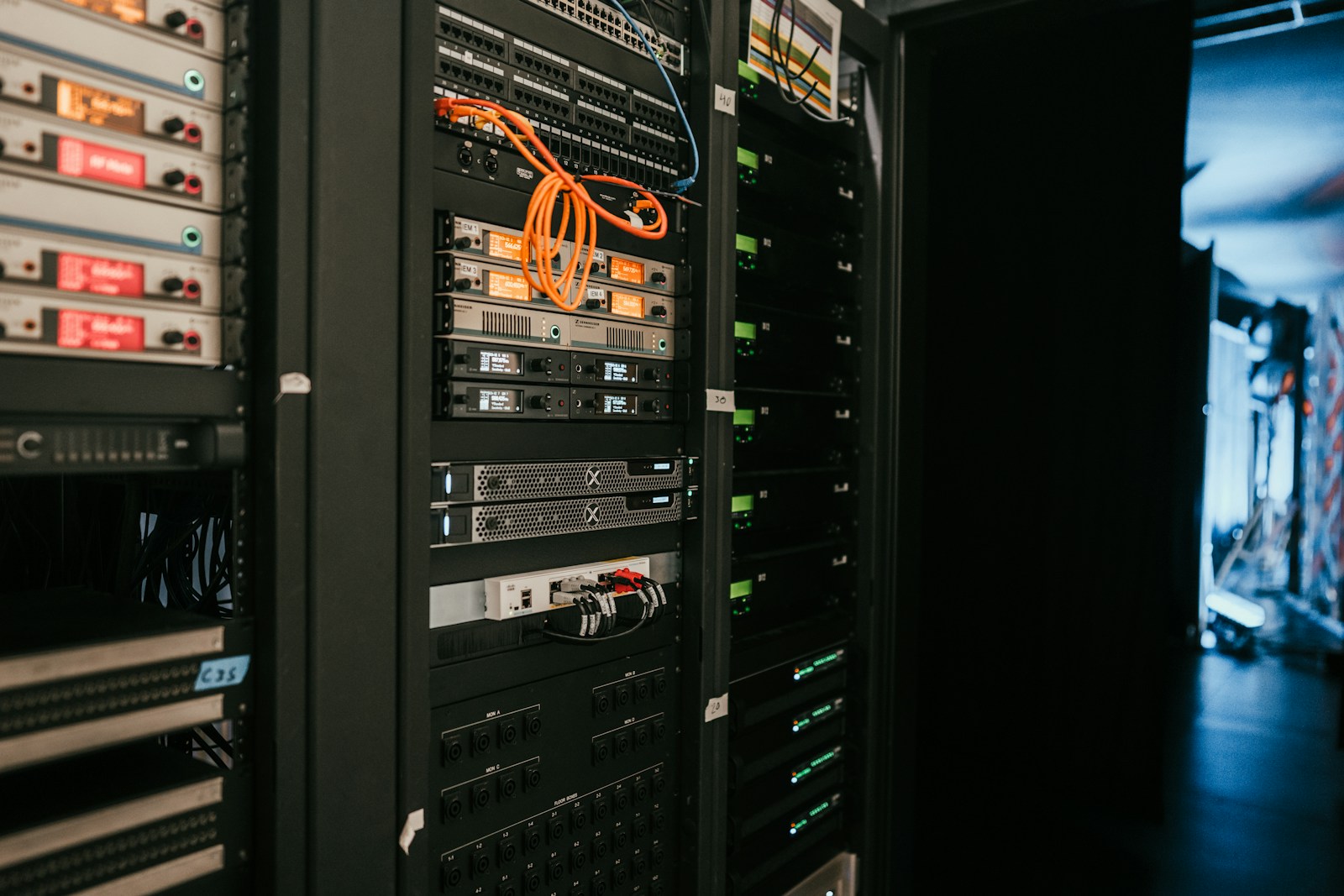
CurrentRF’s PowerStic-AI brief reports tests on three HP ProLiant DL560 Gen8 servers at PayPal, using alternating 24-hour periods with and without the device.
The reported composite average fell from 286 W to 276 W: 10 W, or about 3.5%, per server. Workload varied between test periods; validate the benefit on your own hardware before forecasting savings.
Explore the server evidence →286 → 276 W
Reported composite server power
3.5%
Reported reduction · 10 W per server
Illustrative energy saving: 10 W × 24 hours × 30 days ÷ 1,000 = 7.2 kWh per server per month. Actual savings depend on measured power reduction and operating hours.
How switching-energy recovery works.
As digital circuits switch, changing currents create high-frequency noise on power and ground. Decoupling capacitors help keep those supply rails stable.
The CC-100 uses feedback to return a portion of the associated current to the supply. The objective is to reduce supply demand while improving power integrity; the result depends on the circuit and operating conditions.
Switching noise
Energy on power and ground
↓
CC-100
Energy recovery
↓
Power supply
Recovered energy returned
Conceptual energy path
The energy source
Switching activity creates high-frequency noise on power and ground. The technology targets energy associated with that activity.
The circuit
The CC-100 couples to power and ground, with the aim of returning recovered energy to the supply and improving power integrity.
Choose your integration level
Use a USB device to evaluate existing equipment, discuss CC-100 hardware for a board design, or explore PowerPad and PowerGrid IP for on-chip integration.
Find the right starting point.
View all products →CHIP & BOARD DESIGN
CC-100, PowerPad & PowerGrid
Designing a board or chip? Compare CC-100 hardware, PowerPad bond-pad IP, and PowerGrid integration before selecting an evaluation path.
Explore integrated circuits →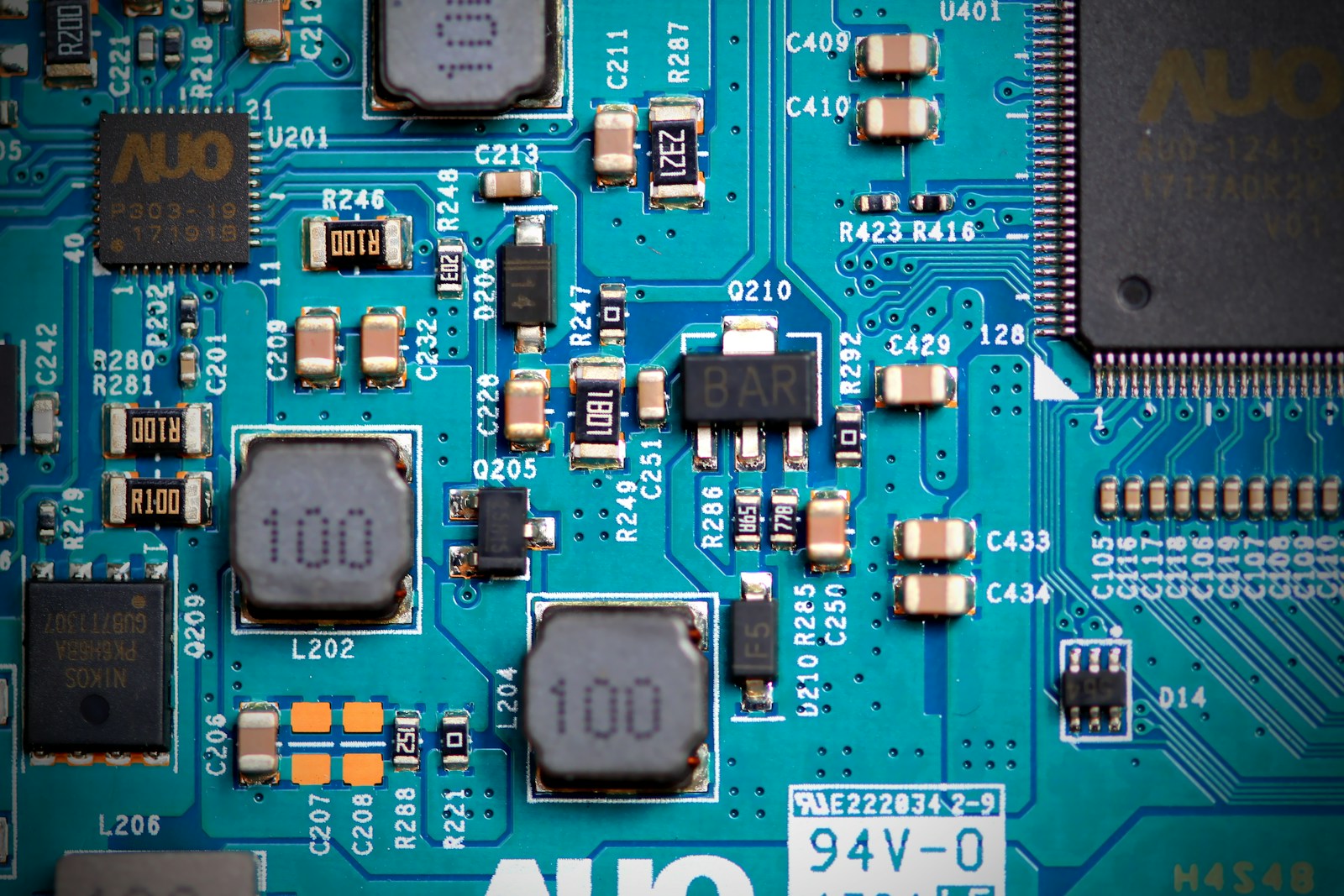
VEHICLE APPLICATIONS
Vehicle energy-recovery devices
Choose a vehicle-specific device or discuss an engineered integration. Confirm the electrical system and connection point before ordering.
Explore vehicle applications →
RF DESIGN
RF circuit IP
Browse amplifier, inductor, and rectifier IP for RF circuit design and energy-harvesting applications.
Explore RF technology →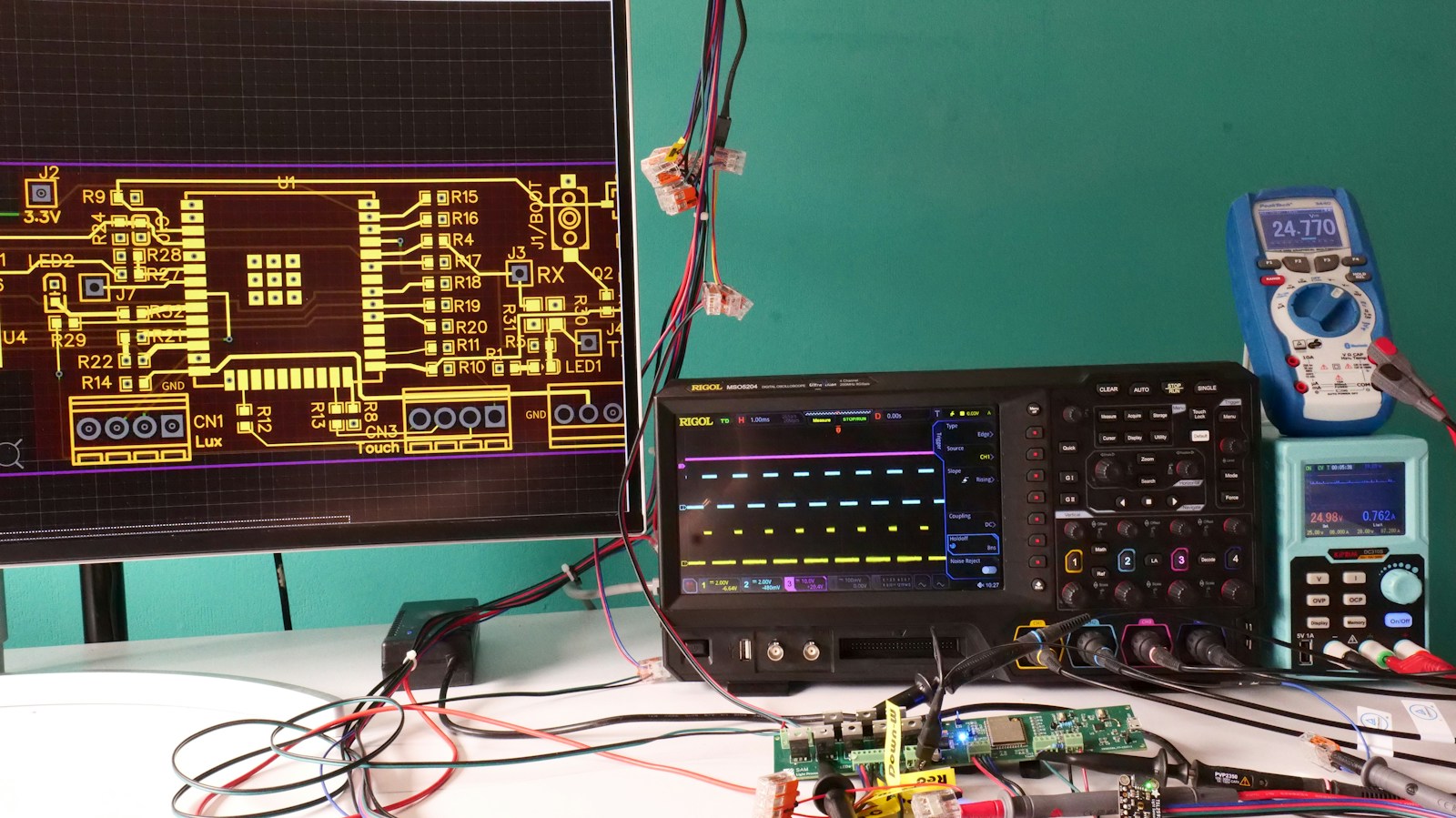
Engineering support for your next step.
Bring your equipment, application, and purchasing goals to our engineering team. Get help choosing a product, planning an evaluation, or integrating energy recovery into a design.
Meet the company → Browse datasheets & reports → Michael.Hopkins@currentrf.com